Woman born without uterus successfully undergoes S’pore’s first uterus transplant, gives birth


A woman born without a uterus has defied the odds by giving birth to a baby girl in June following Singapore’s first uterus transplant.
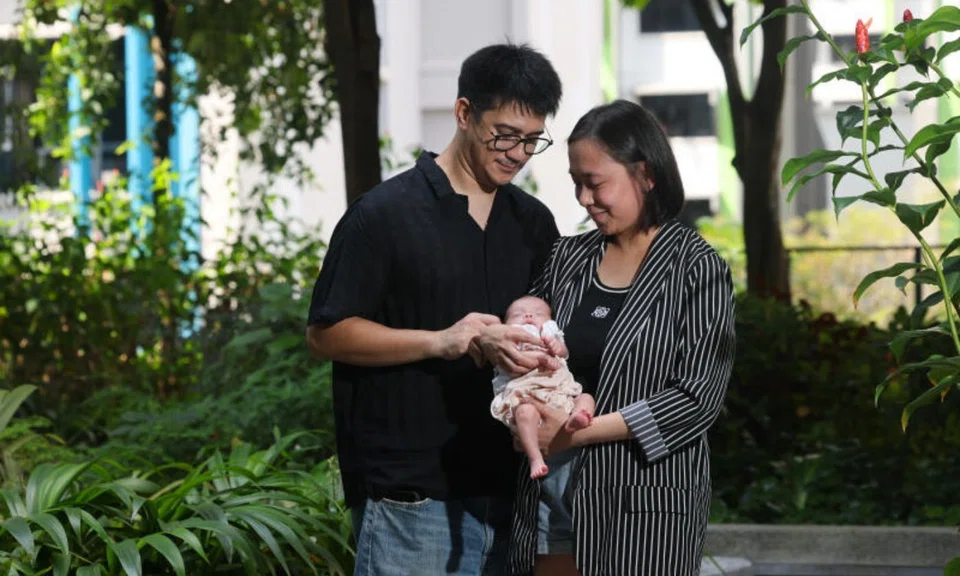
Marishelle Krygsman, 33, was the first woman in Singapore to undergo a living-donor uterus transplant. She is also the first woman born without a uterus in Southeast Asia to successfully give birth.
She and her husband, Alexander Krygsman, 36, spoke to Lianhe Zaobao about their five-year journey to parenthood, which culminated in what they described as a medical miracle.
She was born without a uterus
When Marishelle was 18, she sought medical attention after she did not start menstruating.
She was subsequently diagnosed with MRKH syndrome (Mayer-Rokitansky-Küster-Hauser syndrome), a condition in which women are born without a uterus and are unable to become pregnant and give birth naturally.
Marishelle said that not having a uterus had never made her feel “incomplete” or “less of a woman”. Fortunately, both her ovaries were functioning normally.
She later met Alexander and told him that she was unable to have children.
Alexander said: “Because I loved her, I could accept everything about her. But when we started discussing starting a family, we still wanted to find out whether there was anything that could be done. So we saw a gynaecologist, who confirmed that we could not conceive naturally.”
The couple considered adoption for some time, but eventually decided to accept the possibility that they might not be able to have children.
“We both love travelling, so we decided to enjoy life and travel overseas often. We also got a little dog,” said Marishelle.
Recruitment poster changed their lives
Their fortunes changed in 2021, when Marishelle joined a support group for people with MRKH syndrome in Singapore.
Someone in the group shared a recruitment poster for a uterus transplant clinical trial led by Professor Tan Hak Koon, a senior consultant in obstetrics and gynaecology at Singapore General Hospital.
A uterus transplant can give women with the condition the opportunity to carry a pregnancy.
While Singapore’s medical scene is still new to uterus transplantation, Sweden is a pioneer. In 2014, a Swedish medical team delivered the world’s first baby born following a successful living-donor uterus transplant, marking a major milestone in medical history.
“Everyone was very excited when we saw it. We all said we wanted to take part, and in the end, we actually all signed up,” Marishelle said.
However, the clinical trial had extremely stringent requirements. Participants had to be physically and mentally healthy and find a uterus donor with a compatible blood type themselves.
Marishelle recalled that she and her mother had different blood types and that she only has a younger brother.



She was fortunate, however, when a female relative heard about her situation and agreed to become a donor, as she had already planned to undergo a hysterectomy.
Underwent 2 years of intensive medical examinations
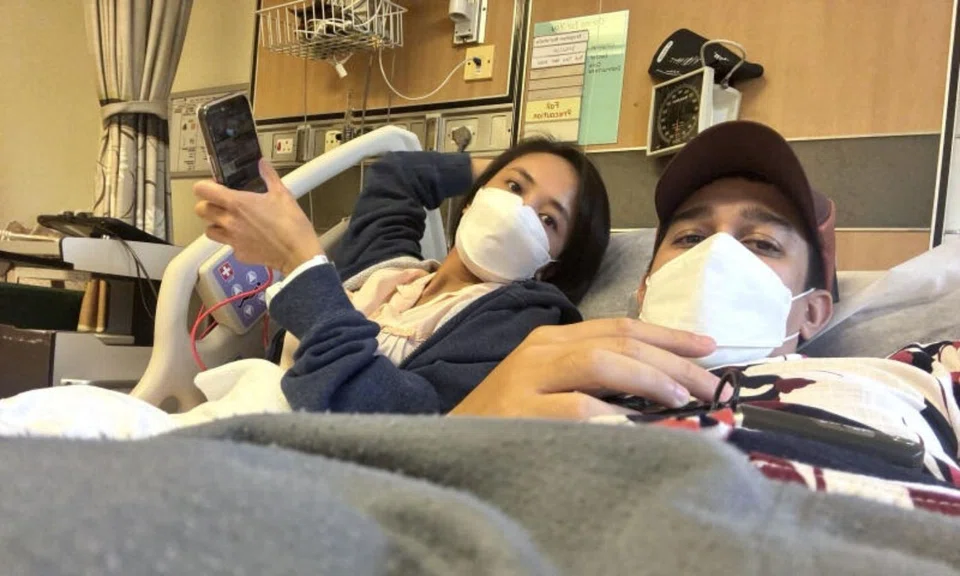
To ensure she was physically fit enough to withstand the highly complex and high-risk surgery, Marishelle underwent two years of intensive medical examinations, along with interviews and stringent assessments by the organ transplant ethics committee and other parties.
She said the entire process was “extremely difficult”, as she had to go through tests almost every week and sat through countless interviews.
“I also fully understood that even if the transplant was successful, IVF might not necessarily work. But I was very determined and never thought about giving up,” she said.
A subsequent research report on Singapore’s first uterus transplant revealed that the operation was performed at Singapore General Hospital on Nov 25, 2023.
The Singapore Medical Council granted a special temporary licence for three uterus transplant specialists from the Swedish team to fly to Singapore and assist with the surgery.
According to the report, the donor’s surgery lasted 10 hours and 30 minutes, while the simultaneous surgery on the recipient lasted six hours and 20 minutes.
Getting her first period at 31 years old
Following the transplant, Marishelle had to take long-term medication to prevent organ rejection and infection.
On New Year’s Day in 2024, she experienced her first menstrual period — a sign that the transplanted uterus was functioning normally.
In November 2025, she successfully underwent IVF.
However, because a transplanted uterus carries a higher risk of premature delivery, she had to spend much of her pregnancy on bed rest to protect the baby.
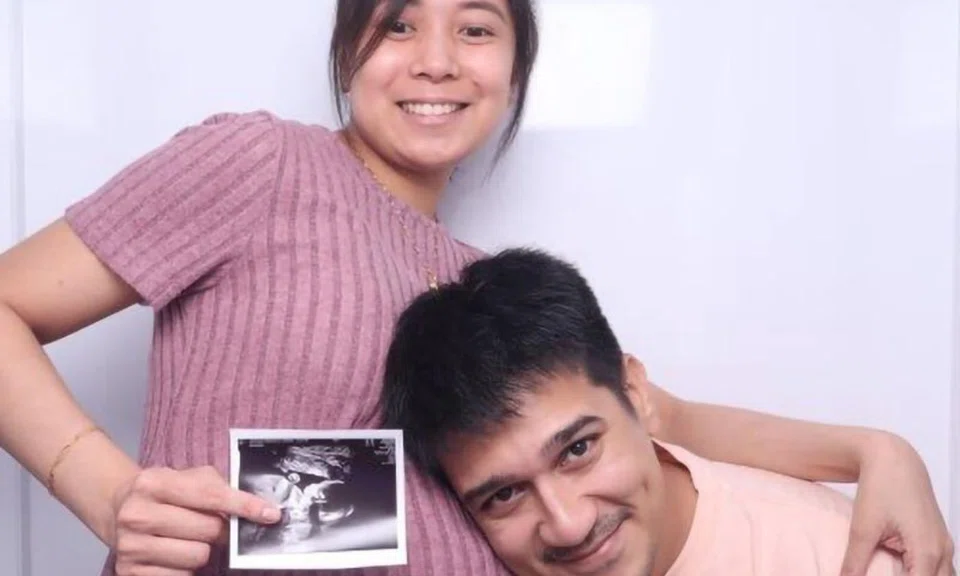
Eventually, at around seven months into her pregnancy, baby girl Sophie was delivered by Caesarean section.
Throughout their long journey to parenthood, Alexander remained Marishelle’s strongest source of emotional support. From caring for her after the surgery to taking on his new role as a father, he has been by her side every step of the way.
While Marishelle was deeply grateful to Professor Tan, she also wanted to give herself some credit.
“I want to pat myself on the shoulder because we finally made it through. Over these four years, we have experienced so many ups and downs, physically, mentally and emotionally.
“To finally hold Sophie in my arms and become a mother — that feeling is truly beyond words,” she said.

Explore more on these topics
See something interesting? Contribute your story to us.
