Why this S’pore couple stopped at 2 kids instead of the 4 they always wanted

A Singaporean couple who once dreamed of having four children have stopped at two, citing rising living costs, childcare expenses and the challenges of balancing work and family life.
Speaking to Berita Minggu, 42-year-old humanities teacher Nurhasfalilah Abdul Aziz said she grew up in a lively family with three siblings and had always imagined having a large family of her own.
She and her husband, 44-year-old civil servant Muhammad Remie Hamzah, initially hoped to follow in the footsteps of previous generations.
But reality had other plans.
“Deep down, we’ve always wanted a big family,” she said.
“When I see my children playing with our friends’ babies, I sometimes wonder what it would be like to have another baby at home.
“But with all the constraints we face, we’ve chosen to be content and grateful for what we already have.”
The couple, who live in a condominium in Sembawang, married in their 30s. Nurhasfalilah gave birth to their first child at 35 and welcomed their second a year later. Their children are now six and seven years old.
She said raising two young children born less than two years apart while both parents worked full-time — and without a domestic helper at the time — was physically and mentally exhausting.
“When we think about our age now, we don’t feel we have the energy anymore. Logistically, it just isn’t practical to have another child.”
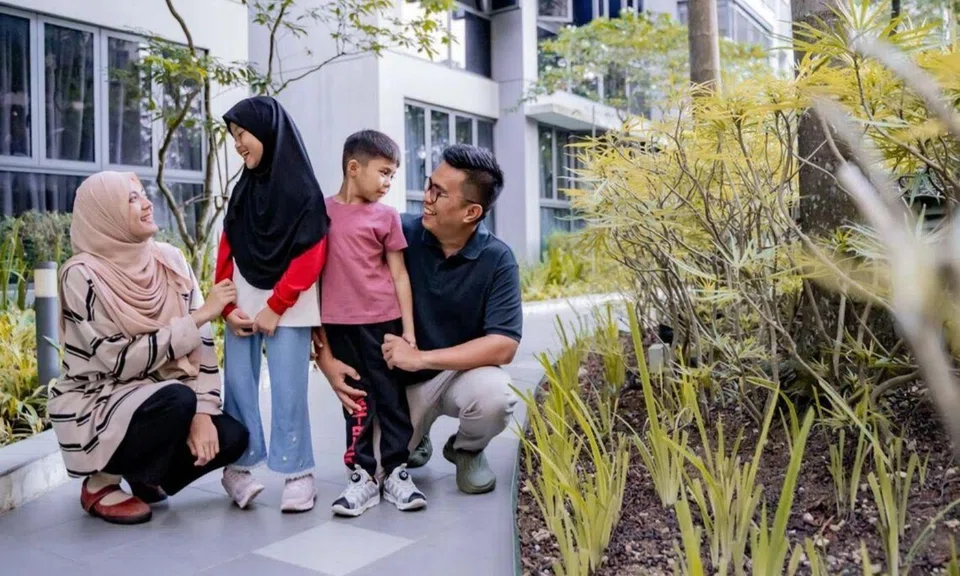
Instead of focusing on family size, the couple decided to prioritise giving each child more attention.
“We want our children to grow up balanced, not just in terms of IQ but also emotional intelligence.
“With two children, it’s easier to manage and more cost-effective. Quality should come before quantity.”
Costs add up
The couple said they were not eligible for additional government childcare subsidies because their combined household income has exceeded the qualifying threshold.
In 2020, they paid full infant care fees for both children at the same time, making childcare one of their largest monthly expenses.



Nurhasfalilah joked that there was some irony in the situation.
“We work full-time to earn money so we can pay someone else to look after our children while we continue working.”
Though their children are now in primary school, the expenses have shifted elsewhere. Remie pointed to school bus fees as one example of everyday costs that many people overlook.
“People often focus on the big-ticket expenses, but school bus fees are also expensive.
“One child costs nearly $300 a month for transport to and from school. If you have two children, there’s no sibling discount. You pay the full amount for each child.”
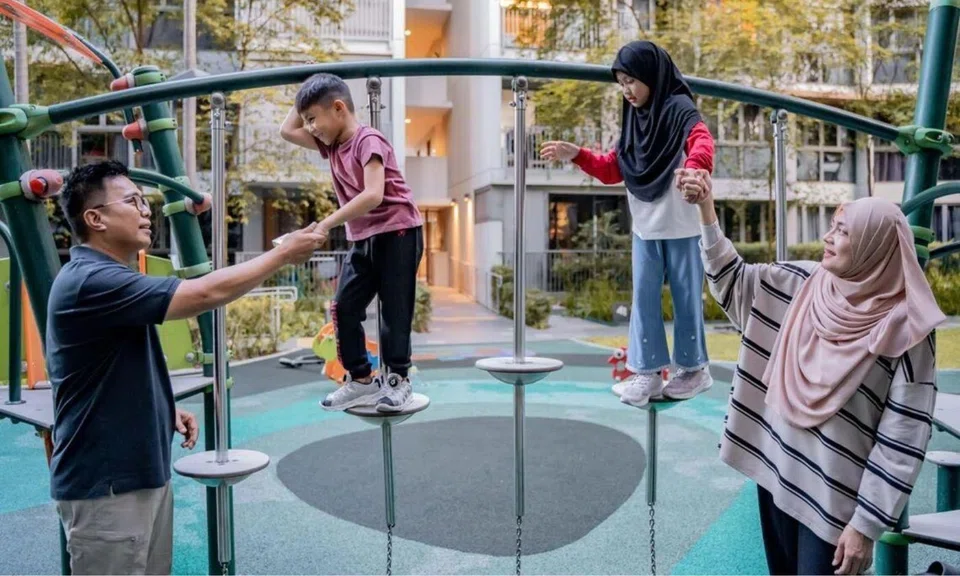
More support needed for working parents
The couple also believes stronger workplace support would make it easier for young couples to have more children.
Nurhasfalilah said the current six days of Childcare Leave each year is often insufficient.
“When children fall sick, they don’t recover in just one day. Sometimes they’re sick for an entire week.
“That’s not including clinic appointments or school events that parents need to attend.”
She added that in some companies, Childcare Leave is reduced from six days to two days once a child turns seven.
“But when children start primary school, parents still have to manage home-based learning days, school holidays like Teachers’ Day and Youth Day, and other occasions.
“We end up using our annual leave just to stay home and look after them.”
The couple believes Singapore’s work and social environment makes many parents think twice before growing their families.
“As long as workplace support doesn’t truly take parents’ realities into account, young couples will continue to hesitate having more children,” Nurhasfalilah said.

Explore more on these topics
See something interesting? Contribute your story to us.
