Thirteen dead, gecko with ruptured eye among 101 illegally kept animals seized by NParks

Authorities seized more than 100 illegally kept animals, including pythons, tarantulas, axolotls and turtles, from homes across Singapore in one of the largest such operations in recent years.
Thirteen of the animals were already dead when officers from the National Parks Board (NParks) found them, the agency said in a news release on Sept 16.
On Sept 14, NParks conducted simultaneous raids on the homes of six individuals suspected of illegally selling or keeping wildlife.
A total of 101 wildlife specimens were seized, comprising non-native species that are not allowed to be sold, offered for sale or kept as pets in Singapore.
They included lizards, newts, pythons, tarantulas and turtles.
Among them were several species protected under the Convention on International Trade in Endangered Species of Wild Fauna and Flora (CITES), including the armadillo girdled lizard, axolotl, ball python, blue beauty anole, Mount Elliot leaf-tailed gecko, pig-nosed turtle and rosy boa.
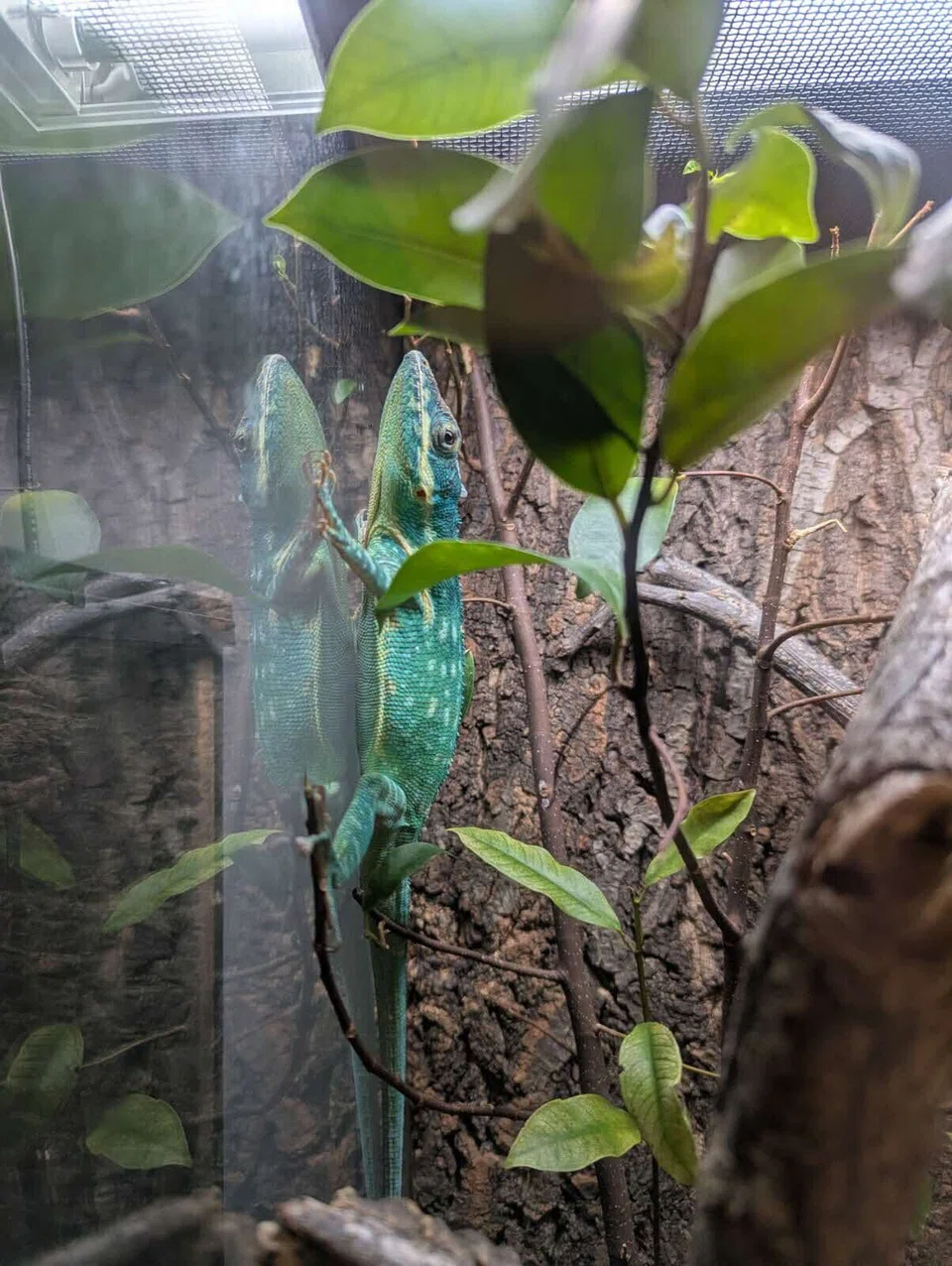
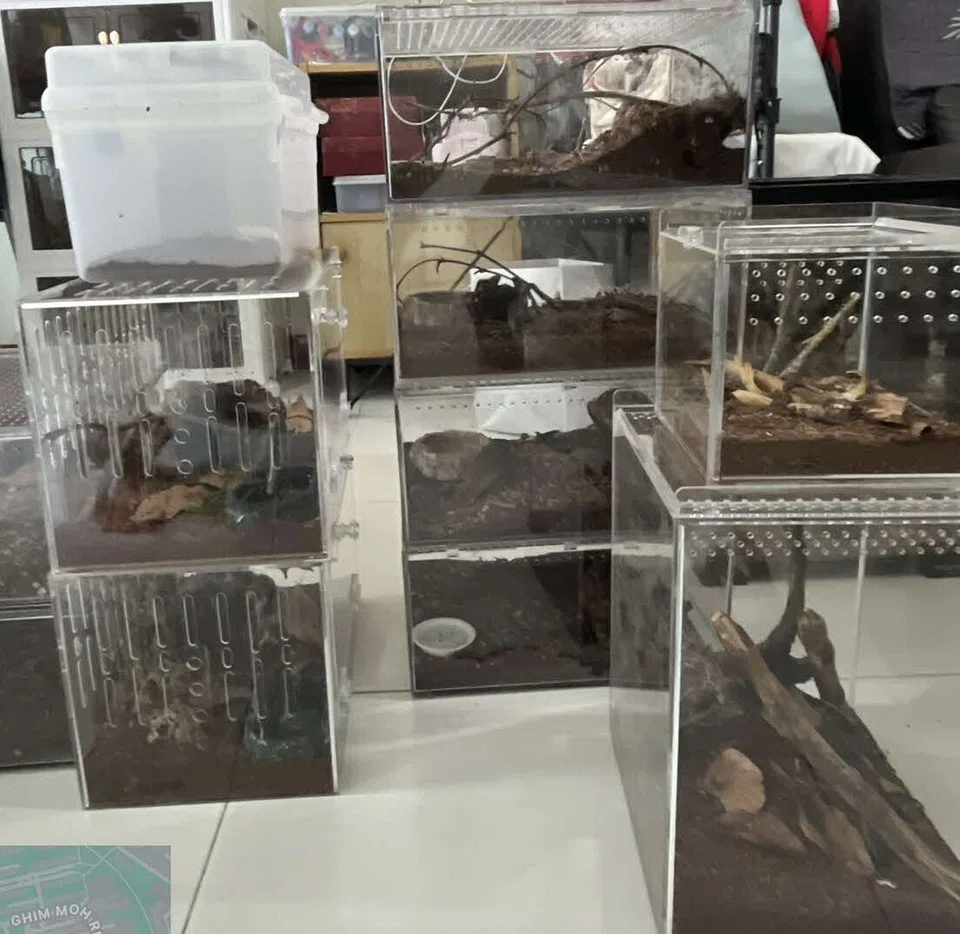
Photos released by NParks show dozens of animals housed in tanks, cages and plastic containers at the raided premises.
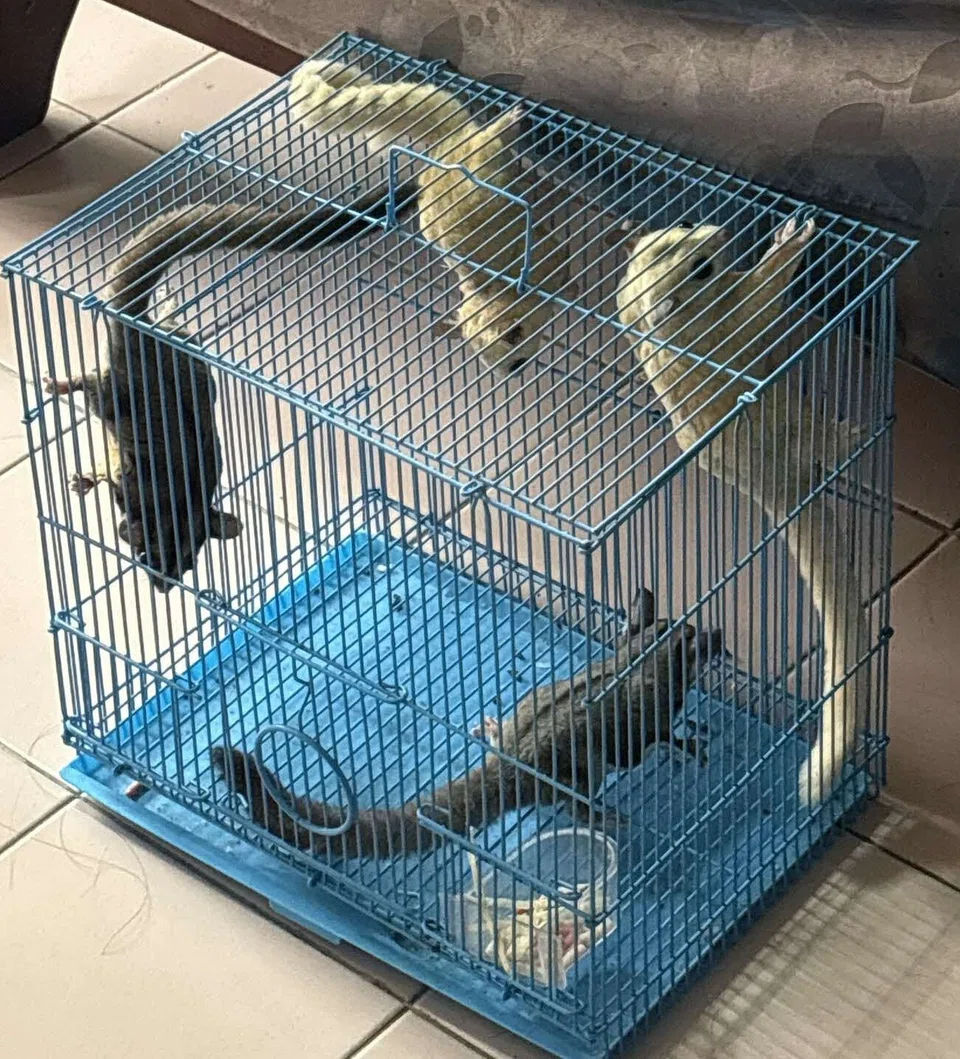
Some were found in cramped containers with insufficient ventilation and inadequate access to food and water.
Thirteen animals were found dead at the premises, possibly because of the poor and unsuitable living conditions, according to NParks.
Several surviving animals were also in poor health.
One leopard gecko was found with a ruptured and infected eye and was unable to fully shed its skin.
NParks said the conditions were “highly indicative” of the animals having been kept in poor conditions for a long period.
Several other leopard geckos and axolotls were found to be very lethargic and in poor body condition.
One leopard gecko subsequently had to be euthanised on animal welfare grounds.
Remaining animals undergoing quarantine
The remaining animals are being housed and cared for at NParks’ Centre for Wildlife Rehabilitation.



As they came from unknown sources and may carry diseases capable of infecting animals and humans, they will undergo a mandatory quarantine period.
They will then be assessed for possible repatriation or donation to animal establishments such as zoos. Euthanasia will be considered as a last resort.
Investigations into the six individuals for suspected illegal sale and possession of wildlife are ongoing.
The latest operation was considerably larger than a similar one conducted last year, when NParks seized 16 wildlife specimens from six premises across Singapore.
NParks said it tackles illegal wildlife trade by conducting checks at Singapore’s borders, monitoring physical and online marketplaces and carrying out operations against suspected illegal traders. It also works with international partners to share intelligence.
Hefty penalties for illegal wildlife trade
Under the Wildlife Act, anyone who sells, offers for sale or exports wildlife without the Director-General’s written approval may be fined up to $50,000, jailed for up to two years, or both.
Those who import living wildlife without approval may face a fine of up to $10,000, up to a year in jail, or both.
Penalties can be significantly higher for species protected under CITES.
Those convicted of illegally importing CITES Appendix I specimens can face a maximum fine of $100,000 per specimen, subject to an aggregate limit of $500,000 or the market value of all the specimens at the material time, whichever is higher, as well as up to six years’ jail.
For Appendix II and III specimens, the maximum penalties are a $50,000 fine per specimen and four years’ jail.
NParks warned that illegal wildlife trade poses risks not only to animal welfare but also to public health and Singapore’s native biodiversity.
Animals obtained through illegal trade are of unknown health status and may carry infectious diseases that can spread to native wildlife, humans and pets. Non-native species that establish themselves locally can also compete with native species and disrupt the ecological balance.
NParks urged prospective pet owners to adopt from animal welfare groups or buy from licensed pet shops instead of unlicensed sellers on social media or other online platforms.
Members of the public with information on suspected poaching, smuggling or illegal trade of pet animals and wildlife can contact NParks at www.avs.gov.sg/feedback or call the Animal Response Centre at 1800-476-1600.

Explore more on these topics
See something interesting? Contribute your story to us.
