Subsidy schemes for treatment of haze-related ailments for Singaporeans to start on Oct 12
Zaihan Mohamed Yusuf
The Straits Times
Oct 11, 2026
From Oct 12, Singaporeans seeking treatment for haze-related conditions will be able to receive subsidised care at polyclinics and participating GP clinics under the Public Health Preparedness Clinic (PHPC) Scheme.
All Singapore citizens will pay no more than $10 when they seek treatment at polyclinics for such ailments under the Haze Subsidy Scheme (HSS).
Children who are 18 or below, elderly citizens aged at least 65 and those holding Community Health Assist Scheme blue and orange cards and Medical Fee Exemption Cards will pay no more than $10 when they seek medical attention for haze-related conditions at participating PHPCs.
Meanwhile, Pioneer Generation and Merdeka Generation seniors will have their out-of-pocket costs capped at $5, while those on the Public Assistance scheme will enjoy fully subsidised care, whether at polyclinics or participating PHPCs.
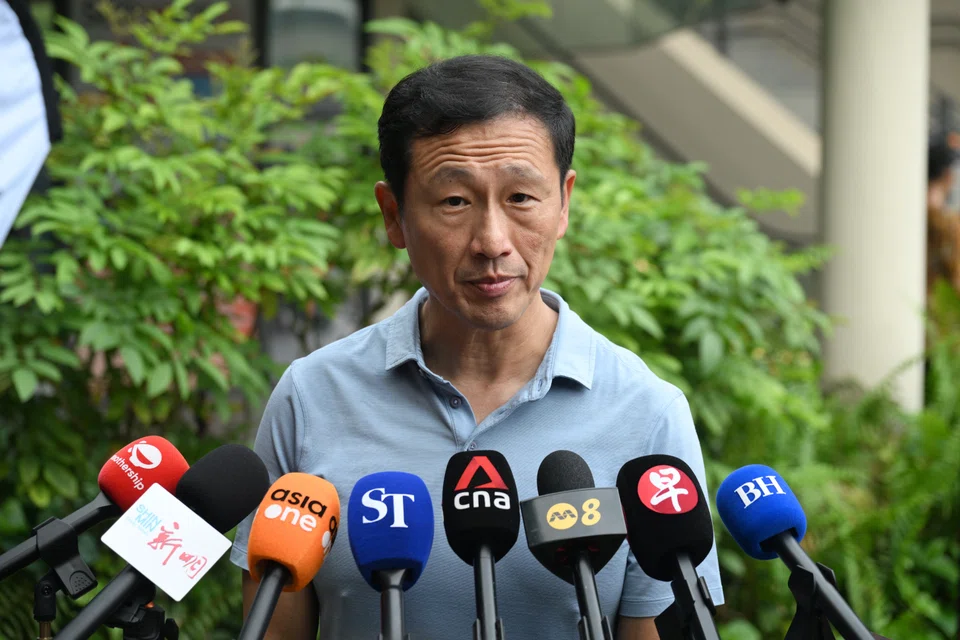
Minister for Health Ong Ye Kung announced on Oct 11 that the Government will activate both the HSS and PHPC scheme in view of the deterioration in air quality due to transboundary haze.
The medical conditions that qualify for the subsidised rates are allergic rhinitis, asthma, bronchitis, conjunctivitis, chronic obstructive pulmonary disease, upper respiratory tract infections and complications arising from these illnesses.
Speaking to the media on the sidelines of a community event in Bukit Canberra, Ong said his ministry has seen an uptick in the number of people visiting hospitals’ emergency departments and polyclinics for respiratory issues.
“I think it is not just due to haze, but also because the haze season this year coincided with Influenza A season (and) compounded each other,” he said.
The minister said those with more serious medical circumstances should visit the emergency room, but those with respiratory issues should see the doctor at a clinic.
“Go to a clinic – your family physician can take care of you,” he said. “Leave emergency department facilities for those with very urgent, very serious conditions.”
The HSS was introduced in 2013. It was last activated during the 2015 haze crisis, which saw the Pollutant Standards Index (PSI) peak at 341 on the morning of Sept 25. That year, the subsidy scheme was in effect from Sept 16 to Nov 22.
Ong, who spoke on the sidelines of Sembawang Health Fiesta 2026, said the Government’s assessment is that this year’s haze is a bit different from 2015 in that it does not expect air quality to reach levels seen a decade ago.



However, it expects haze conditions to be more prolonged this time due to climate change and the inter-monsoon season getting longer. This means the haze is likely to last for a few more weeks, he added.
Ong said hospitals here have already stood up certain measures, including turning on ventilators and air purifiers while closing the windows in wards.
“We are taking stock of our emergency supplies and our stocks, and I think we are quite well stocked,” he added. “So there’s no need to worry about that.”
In a statement on Oct 11, the Ministry of Health said the PHPC scheme coordinates primary care responses and provides subsidised care during health alerts and emergencies, including haze and more recently for the Covid-19 pandemic.
Ong said that there are 1,370 clinics on the PHPC scheme, and close to 1,000 have already “responded positively” to the announcement.
At the health fiesta, a 2.5km brisk walking event that would have involved many senior citizens was cancelled, but other planned events such as water football, giant volleyball and mass zumba carried on.
Ong told residents that he still encouraged people to exercise, but they should monitor the PSI and hourly PM2.5 reading before doing so. “When it’s unhealthy, you can still exercise, but not so rigorously,” he said, urging residents to “hang in there and take care of each other”.
Sembawang resident Rosita Othman, 54, told ST she was glad the Health Minister had made the announcement about the subsidies.
“It’s good that he is making a commitment early to senior citizens because they’re likely to suffer breathing problems when the PSI turns bad,” she said.
As at 11pm on Oct 11, the 24-hour PSI readings stood at 108 in the north, 115 in the south, 136 in the east, 152 in the west and 146 in the central region.
This marks a slight improvement from the day before, when the PSI value peaked at 183 in the central region at midnight before gradually dropping throughout the day.
Air quality is considered unhealthy when the PSI – a 24-hour rolling average of six key air pollutants – is in the range of 101 to 200. The hourly PM2.5 reading is used as a gauge for immediate air quality, with scores from 56 to 150 indicating elevated pollution levels.
Those seeking more information on the HSS, including the list of participating PHPCs, can do so at www.moh.gov.sg/others/haze. Such clinics can also be identified through the PHPC decal and HSS poster they display.

Explore more on these topics
See something interesting? Contribute your story to us.
