S’porean traveler, 73, pays nearly $2,000 for powdered herb in China after being pressured

A 73-year-old Singaporean woman says she was pressured into paying over $1,900 for powdered herbal medicine during a trip to Yunnan, China.
Madam Li (transliterated) was travelling with her husband and four friends on a 26-day independent trip to Yunnan that began on Aug 30.
Taken to herb stall during lunch stop
Madam Li told Shin Min Daily News that on the fifth day of their trip, the group was looking for a private car service to take them to Xizhou Ancient Town on the western side of Erhai, a lake in Dali City.
A woman then approached them and claimed that her husband provided private transport services and could take them around the area, agreeing to what Madam Li described as a very low price.
While going to the restroom during the group’s lunch break, Madam Li walked past a stall selling Chinese medicinal herbs without intending to buy anything.
However, a mother and daughter who appeared to be dressed as wealthy women began talking about “Tibetan fritillaria”, a plant belonging to the lily family that is native to China and the Indian subcontinent.
According to Madam Li, one of them claimed she had suffered from a chronic cough for years but had recovered after taking the powdered herb — on top of other purported benefits of the herb.
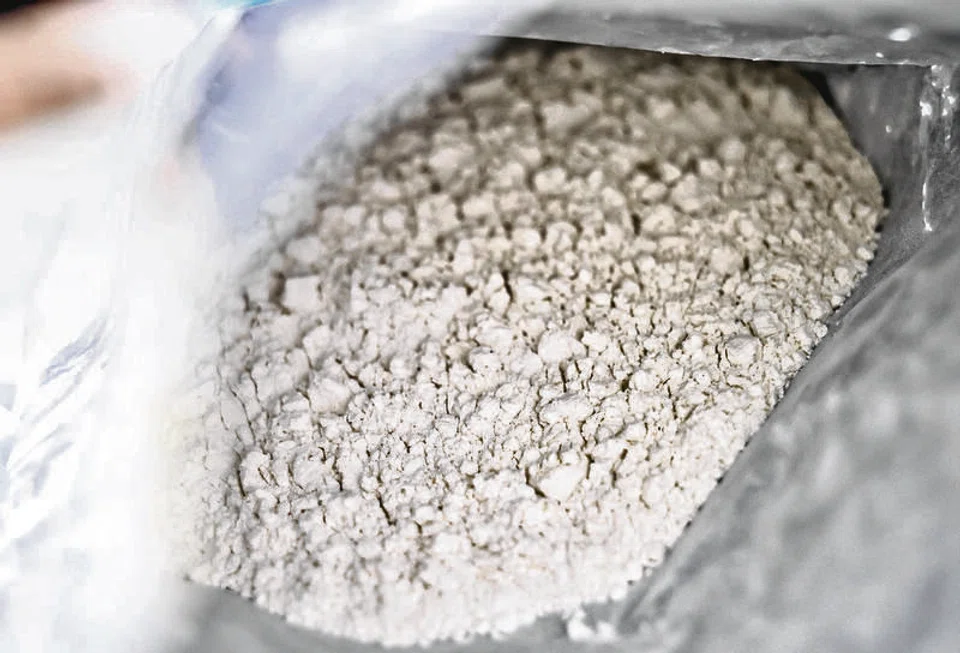
Madam Li said they then bargained with the stallholder, who agreed to grind the herb into powder and reduced the price from 12 yuan (S$2.30) to eight yuan ($1.53) per gram.
She claimed one of the women told the stallholder to prepare a packet for her, who weighed out the powder and told Madam Li she had to pay 10,000 yuan (S$1,913).
No chance to object
Madam Li said she immediately told the stallholder she did not need so much of the herb.
However, she claimed the stallholder told her that the herbs had already been ground into powder and could not be refunded, and insisted that she pay.
“I was just standing there watching. I never thought it would turn out like this,” she lamented.
Madam Li was confused about the exchange rate and did not understand how much the powder weighed.
She recalled being told that she had to pay 10,000 yuan (S$1,913) and initially thought the amount was around S$200.
She paid by card, and it was only after she told her husband what had happened that she realised she had spent nearly S$2,000 on the powdered herb.
Her bank records showed a final charge of S$1,901.45.



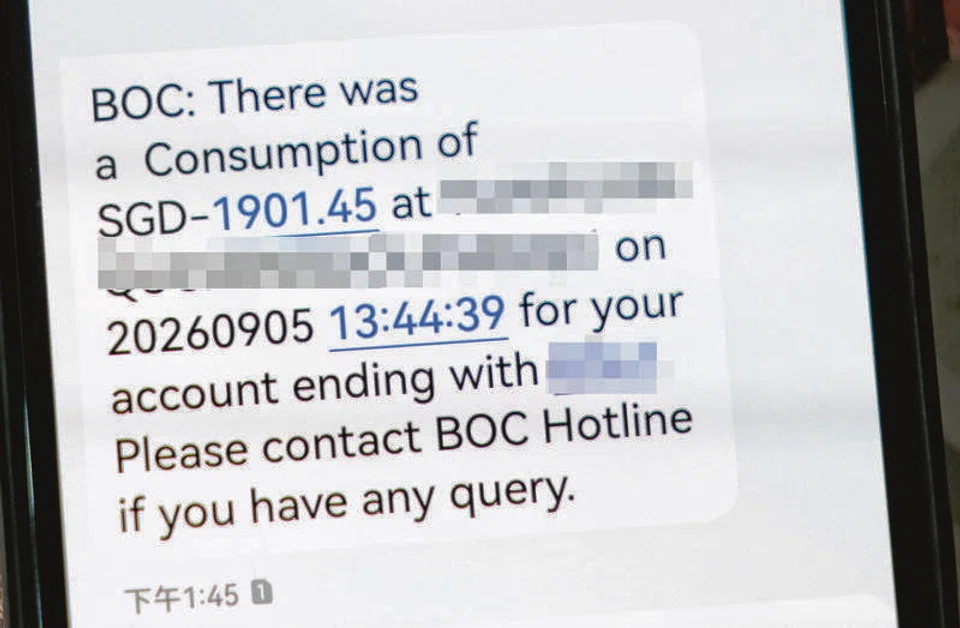
She said she only realised she might have fallen victim to a scam after taking a ride-hailing car in Tengchong, Yunnan, and heard the driver talk about a similar case.
Local police unable to locate stall
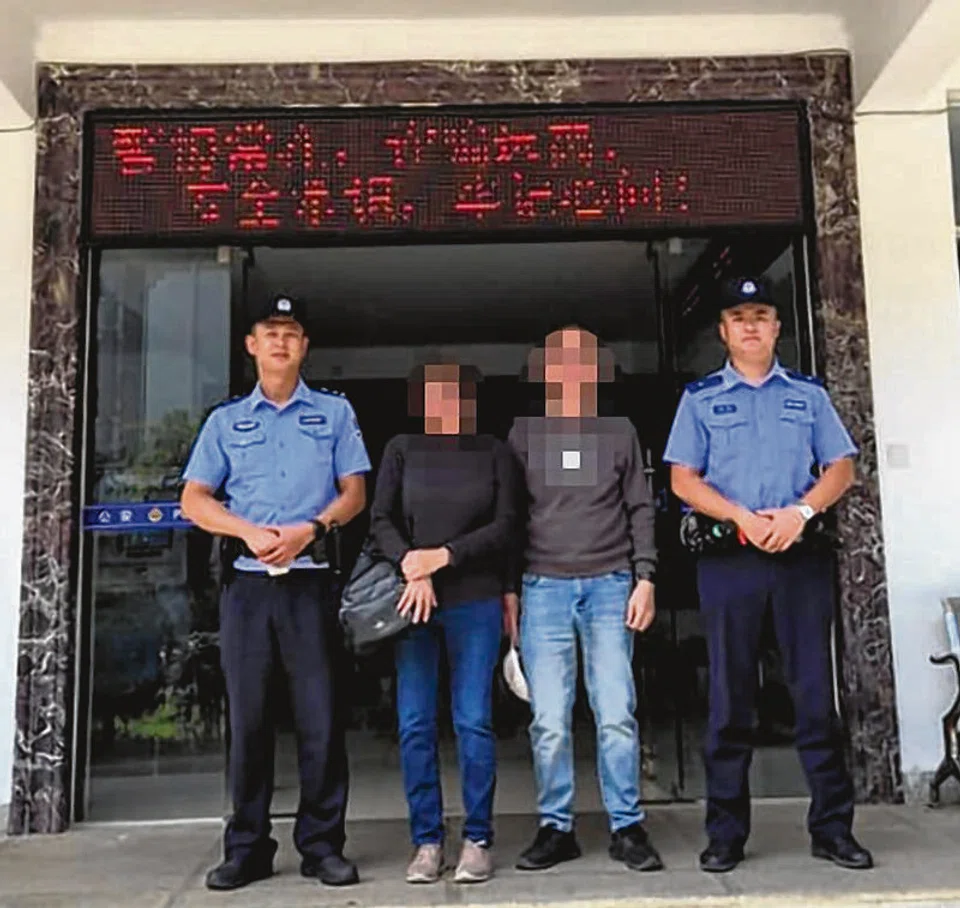
Madam Li returned to Dali City on Sept 14 and lodged a report at the local police station the following day.
She said police officers accompanied her and her husband to search the area where the incident happened, though they could not locate the stallholder who sold Madam Li the herb.
“I was tired by then, so I had to give up,” she said.
After returning to Singapore, Madam Li submitted her bank transaction records through the local mayor’s hotline in China, and also lodged a report with the Singapore Police Force.
Madam Li said she wanted to warn older Singaporeans who travel independently in China to be especially careful when approached about buying medicinal herbs.
She said some situations may involve several people working together to persuade a customer to make a purchase.
She advised travellers who feel pressured to pay to contact the police immediately and record evidence where possible.
S’pore TCM practitioners warn against buying unknown herbs overseas
The Singapore Chinese Druggists Association (SCDA) told Shin Min that different places may use different names for medicinal herbs.
While “Tibetan fritillaria” is understood to refer to wild-grown fritillaria from Tibet, ordinary consumers may find it difficult to verify the origin or identity of such products.
SCDA advised Singaporeans against buying expensive medicinal herbs overseas.
Chinese physician Chen Mei’e (transliterated) said Singaporeans are generally more familiar with Chuanbei, which comes from areas including Sichuan and Yunnan.
She said both types are generally used for relieving phlegm and coughs, with a typical dosage of about one to two Chinese ounces.
Woman does not dare consume powder
Madam Li said she has not consumed the powder because she does not know exactly what it contains or how it should be prepared.
She plans to send the more than one kilogram of powder for testing through the Singapore Food Agency next week.

Explore more on these topics
See something interesting? Contribute your story to us.
