The first-ever iPhone, Mas Selamat, Covid-19 and more: 20 biggest headlines from the last 20 years


In celebration of Stomp’s 20th anniversary, we’re bringing you a series that takes you down memory lane. Stay tuned for more stories of nostalgia, rage and outright madness – and don’t forget to vote on our site for your favourite outrageous Stomp story of all time.
Much has happened in the little red dot — and around the world — since 2006.
To mark Stomp’s 20th anniversary as one of Singapore’s leading digital news platforms, we look back at 20 of the biggest, wildest and most unforgettable events that unfolded locally, regionally and globally over the last two decades.
From the launch of the very first iPhone to Mas Selamat’s prison escape and the Covid-19 pandemic, here are some of the moments that shaped conversations, dominated headlines and left a lasting impact on Singaporeans.
Singapore’s biggest murder cases: ‘One-Eyed Dragon’, Kovan double murder, River Valley High School death
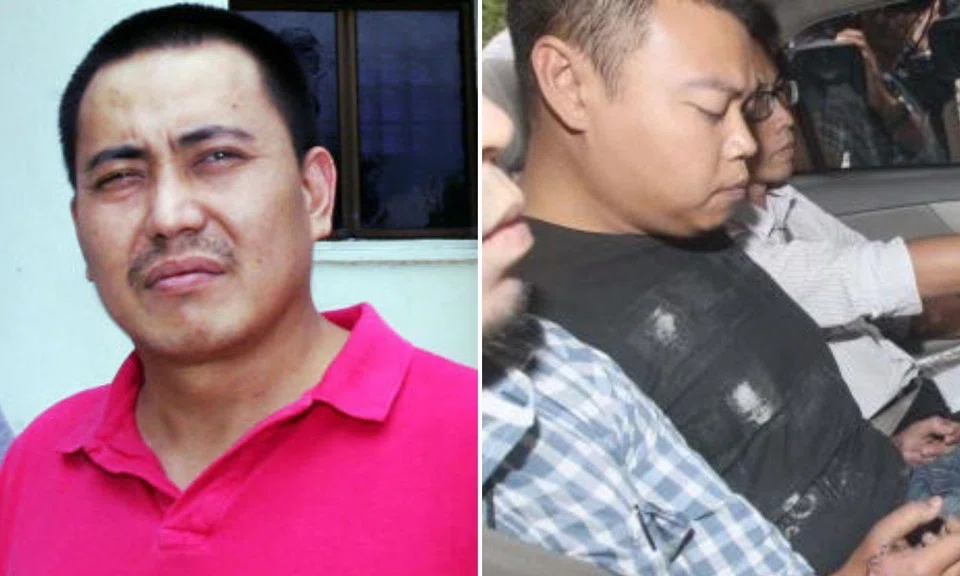
While murder cases are relatively rare in Singapore, some have left a lasting impression on the public — starting with the cold-blooded killing linked to the “One-Eyed Dragon”.
Nightclub owner Lim Hock Soon was shot dead in his home on Feb 15, 2006, in front of his family. Police later identified suspect Tan Chor Jin, nicknamed the “One-Eyed Dragon” because of his one blind eye, as the gunman. The gang member fled to Malaysia before being arrested, extradited, convicted of murder, and eventually hanged in 2009.
On July 10, 2013, the Kovan double murder case shocked Singapore. Former policeman Iskandar Rahmat stabbed 67-year-old businessman Tan Boon Sin in his home before also killing the man’s 42-year-old son, who had stumbled upon the crime scene and was later dragged beneath the getaway car. The court rejected Iskandar’s self-defence claim, finding intent to kill both victims. He was sentenced to death in 2015 after being convicted of the murders and hanged in 2025 after his petitions to Singapore’s president for clemency were unsuccessful.
On July 19, 2021, a 13-year-old student at River Valley High School was killed on campus by a 16-year-old schoolmate with an axe. Police found the victim with multiple wounds in a toilet, where he was pronounced dead at the scene. The axe was seized and the suspect arrested. He was initially charged with murder, but this was later reduced to culpable homicide after the Institute of Mental Health assessed that he had major depressive disorder at the time of the offence. In 2024, the Court of Appeal upheld his 16-year jail sentence.
The two-decade evolution of social media
In the early 2000s, platforms such as Friendster — which is making a comeback — Myspace and Tagged were hugely popular among youths experimenting with online profiles. Meanwhile, instant messaging platforms like MSN Messenger became a huge part of daily life, with users rushing home after school to chat online.
By the 2010s, newer platforms had taken over. Facebook, Instagram and TikTok reshaped social networking with news feeds, influencers, short-form videos and algorithm-driven content.
Messaging apps also evolved rapidly, with WhatsApp, Telegram and WeChat becoming central to daily communication, replacing SMS and older desktop chat platforms for many users.
This shift radically changed online habits — from carefully curated profiles and desktop chatting to viral videos, livestreams and 24/7 connectivity.
Launch of first-ever iPhone
Remember when the very first iPhone came out? Apple unveiled the original iPhone at the Macworld Expo in San Francisco in 2007, with CEO Steve Jobs calling it a “revolutionary” device that combined a phone, iPod and internet communicator.
The touchscreen handset featured email, web access, a 2-megapixel camera, visual voicemail and Apple’s iOS system, with no physical keypad. Priced from US$499, it marked Apple’s entry into the mobile phone market.
On June 9, 2008, SingTel and Apple announced the iPhone 3G launch in Singapore, bringing faster connectivity, GPS and app support to local consumers.
Mas Selamat’s prison break
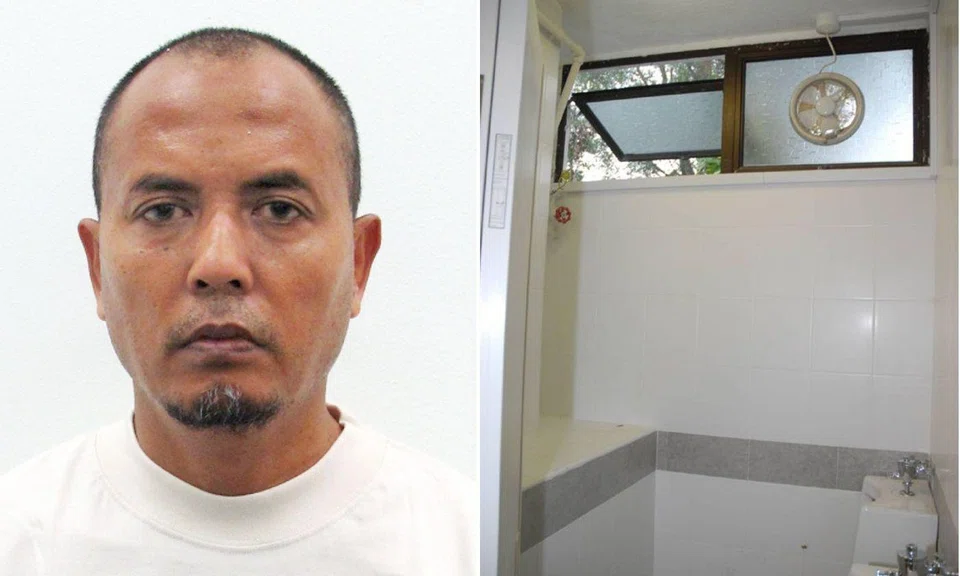
Jemaah Islamiyah (JI) leader Mas Selamat Kestari escaped from detention in Singapore on Feb 27, 2008 by climbing through a toilet ventilation window, scaling two fences, hiding beneath an expressway and eventually swimming across the Tebrau Strait into Malaysia.
Sparking a nationwide manhunt, the then-47-year-old evaded capture for more than a year before being found in Johor in 2009. Malaysian counter-terrorism police later said he had prepared his escape in advance and received help from former JI members.
Mas Selamat had been linked to planned kidnappings and terror plots prior to his escape, including a plan to crash a hijacked plane into Changi Airport. Today, he remains detained in Singapore indefinitely without charge, under the Internal Security Act.
Singapore Grand Prix 2008 becomes F1’s first night race
Singapore hosted its first Formula One (F1) race — the SingTel Singapore Grand Prix — from Sept 26 to 28, 2008 at the Marina Bay street circuit.
The event, which followed a 35-year hiatus since the last Singapore Grand Prix in 1973, marked the sport’s first-ever night race as well as Asia’s first F1 street race.
Formula One’s then-commercial rights holder Bernie Ecclestone heralded the Singapore Grand Prix as the “new jewel in the Formula One sports crown”.
Japan’s 2011 tsunami and Fukushima nuclear disaster
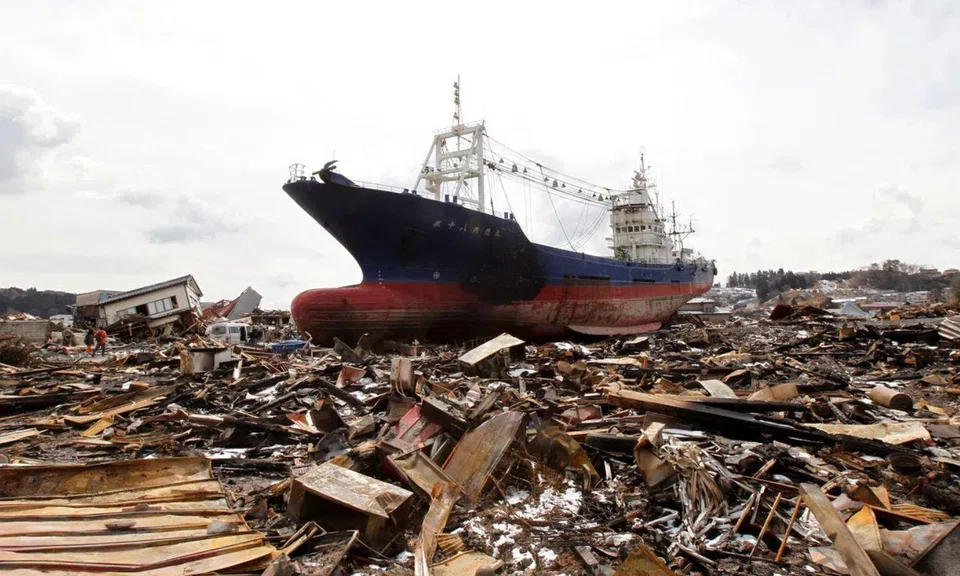
A massive 9.0-magnitude earthquake struck off the coast of Japan on March 11, 2011, triggering a devastating tsunami that swept across northeastern parts of the country.
More than 18,000 people were killed or went missing in one of Japan’s deadliest natural disasters. The tsunami also triggered the Fukushima Daiichi nuclear disaster after floodwaters knocked out cooling systems at the nuclear power plant, causing reactor meltdowns and radiation leaks.
The catastrophe forced large-scale evacuations, sparked global concerns about nuclear energy safety and left a lasting impact on Japan for years to come.
Little India riot
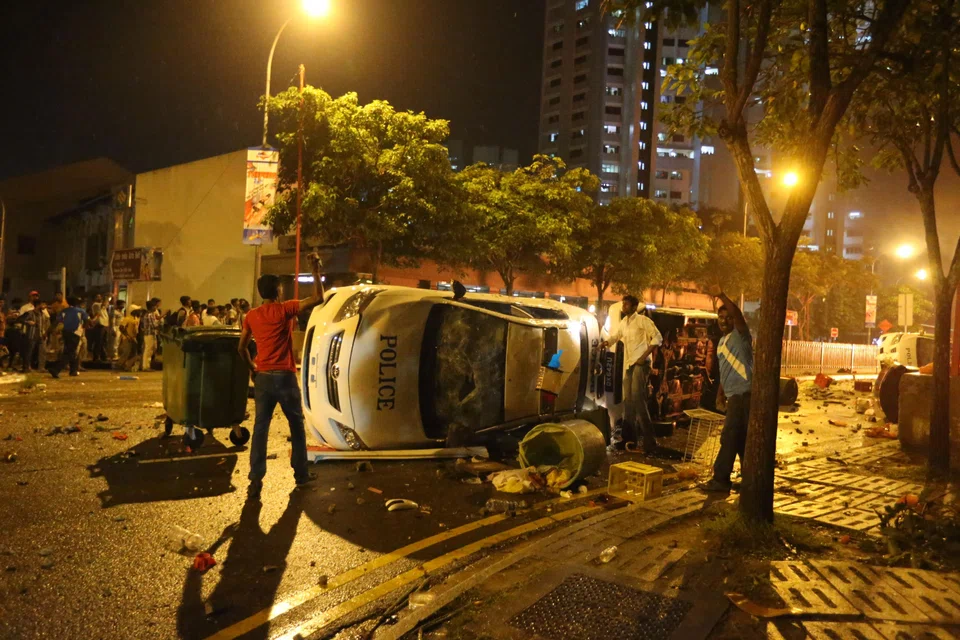
Singapore experienced its worst public disorder since the 1960s after a fatal accident occurred in Little India on Dec 8, 2013.
Construction worker Sakthivel Kumaravelu, 33, was run over by a bus after attempting to re-board the departing vehicle along Tekka Lane, which was headed to his dormitory in Jurong. He had earlier been removed from the bus for being intoxicated.
The accident triggered unrest that escalated into violence, later known as the 2013 Little India riot. The rioting left 54 officers and eight civilians injured, and caused more than $530,000 in damage. Emergency vehicles, including police cars and ambulances, were overturned and set on fire.
MH370 disappears
Malaysia Airlines Flight MH370 vanished on March 8, 2014 while travelling from Kuala Lumpur to Beijing with 239 people on board, triggering one of the largest aviation searches in history.
The Boeing 777 lost contact with air traffic control less than an hour after take-off. Investigators later concluded the plane had deviated from its flight path and likely crashed somewhere in the southern Indian Ocean, but the main wreckage has never been found.
The tragedy continues to haunt the families of those on board, especially after a Singapore-born comedian made an inappropriate joke about the incident.
Lee Kuan Yew dies
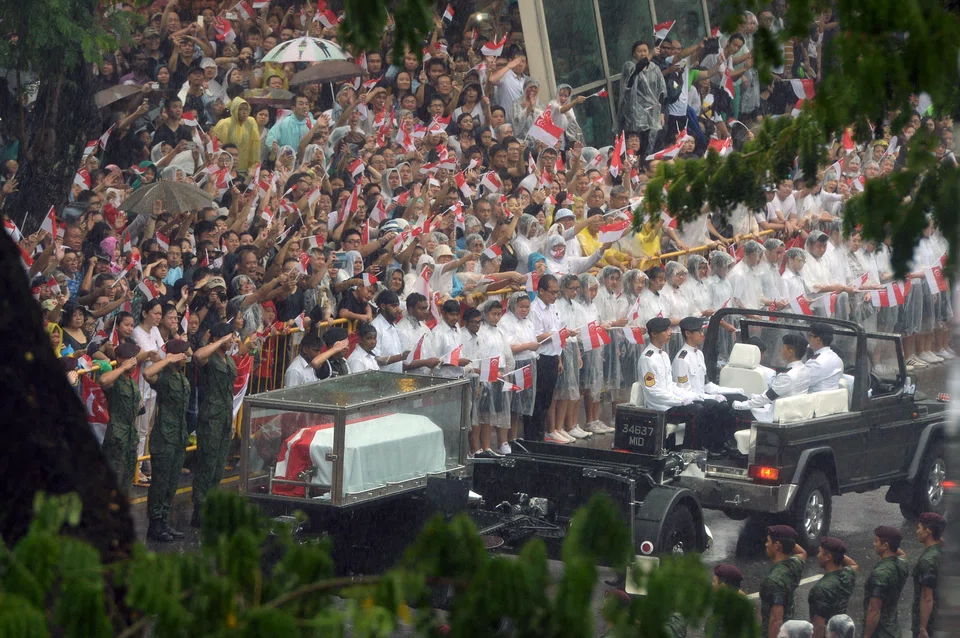
Singapore’s founding Prime Minister Lee Kuan Yew died on March 23, 2015 at the age of 91 at after being hospitalised for severe pneumonia.
His death was announced by the Prime Minister’s Office, which said he “passed away peacefully” at 3.18am at the Singapore General Hospital.
A seven-day national mourning period was declared, with state flags on government buildings flown at half-mast as a sign of respect. A private family wake was held before his body lay in state at Parliament House for public viewing, drawing tens of thousands who queued to pay their last respects.



Despite torrential rain, huge crowds also lined the streets to witness the funeral procession carrying Mr Lee’s coffin through Singapore. A state funeral was later held at the National University of Singapore’s University Cultural Centre.
Brexit: United Kingdom leaves European Union
The United Kingdom voted to leave the European Union in a historic referendum on June 23, 2016, in a move widely known as Brexit. The result shocked many around the world, with 51.9 per cent of voters backing the “Leave” campaign.
After prolonged negotiations, the UK officially left the European Union on Jan 31, 2020, ending more than four decades of membership in the bloc. The decision continues to shape British politics, the economy and the country’s relationship with Europe today.
Donald Trump elected US president not once — but twice
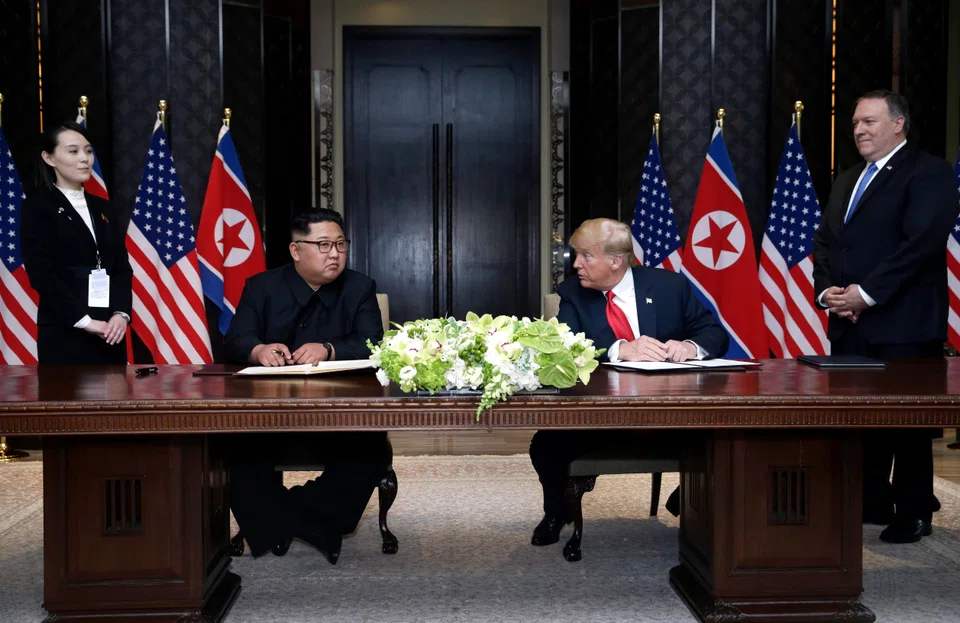
Donald Trump stunned the world when he won the 2016 United States presidential election, defeating Hillary Clinton despite being a political outsider with no prior government experience — and a string of sexual harassment allegations.
He later made history again by winning the 2024 election and returning to office in 2025.
During his first term, Trump also met North Korean leader Kim Jong Un in Singapore in June 2018 for the first-ever summit between sitting leaders of the United States and North Korea, placing Singapore at the centre of a historic diplomatic moment.
The summit involved some 7,400 public officers from inter-ministerial agencies and raked up a total estimated cost of $16.3 million.
Joseph Schooling wins Singapore’s first Olympic gold medal

Joseph Schooling made history by winning Singapore’s first Olympic gold medal in the 100m butterfly at the Rio 2016 Olympics. He set an Olympic record of 50.39 seconds, beating top swimmers like record-breaking American athlete, Michael Phelps.
His victory also made him Singapore’s first male Olympic medallist in 56 years, ending a long medal drought and marking a defining moment in the nation’s sporting history.
Aung San Suu Kyi’s dramatic fall from global icon to jailed former leader
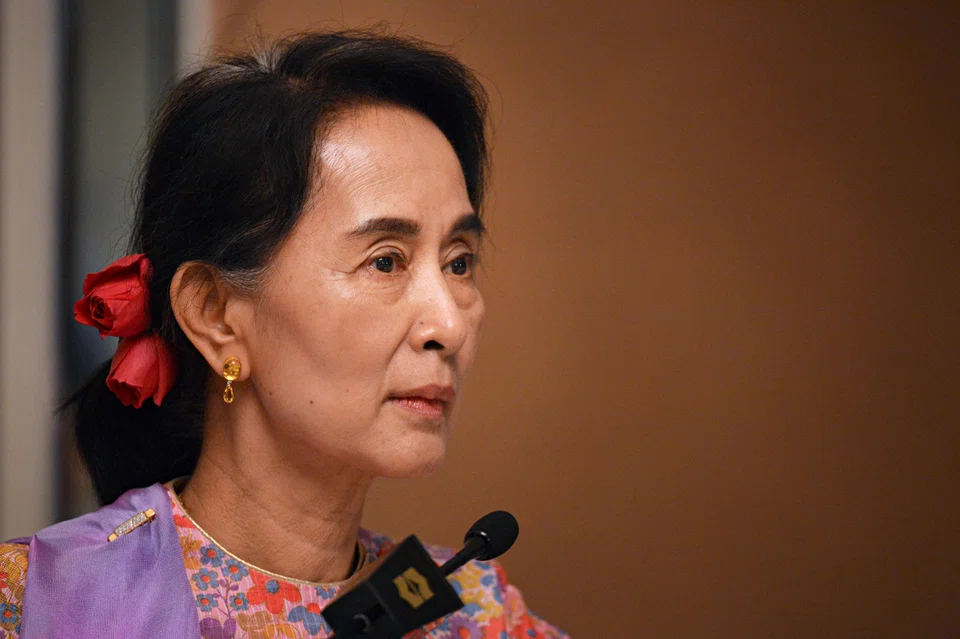
Aung San Suu Kyi — once celebrated internationally as a symbol of democracy — led her party, the National League for Democracy, to a landslide election victory in 2015 and became Myanmar’s de facto civilian leader, marking a major political shift for the country.
However, her global reputation later suffered over her handling of the Rohingya crisis, with critics accusing her government of failing to stop atrocities committed by the military.
In February 2021, Myanmar’s military seized power in a coup and she was later sentenced to 27 year’ jail on what many viewed as politically motivated charges. Although her sentence has since been cut, her son revealed in May that he does not know whether she is still alive.
Bitcoin, crypto and NFTs take world by storm
Cryptocurrency exploded into the mainstream over the past two decades, led by the rise of Bitcoin, which was launched in 2009.
What began as a niche digital currency soon became a global investment craze, spawning thousands of cryptocurrencies, crypto exchanges and overnight millionaires — alongside spectacular crashes and scams. The boom also fuelled the rise of NFTs, or non-fungible tokens, which turned digital art into blockchain-backed assets that sold for millions at their peak.
The crypto industry remains highly controversial, with supporters calling it the future of finance while critics warn of volatility, fraud and speculation.
Covid-19 pandemic
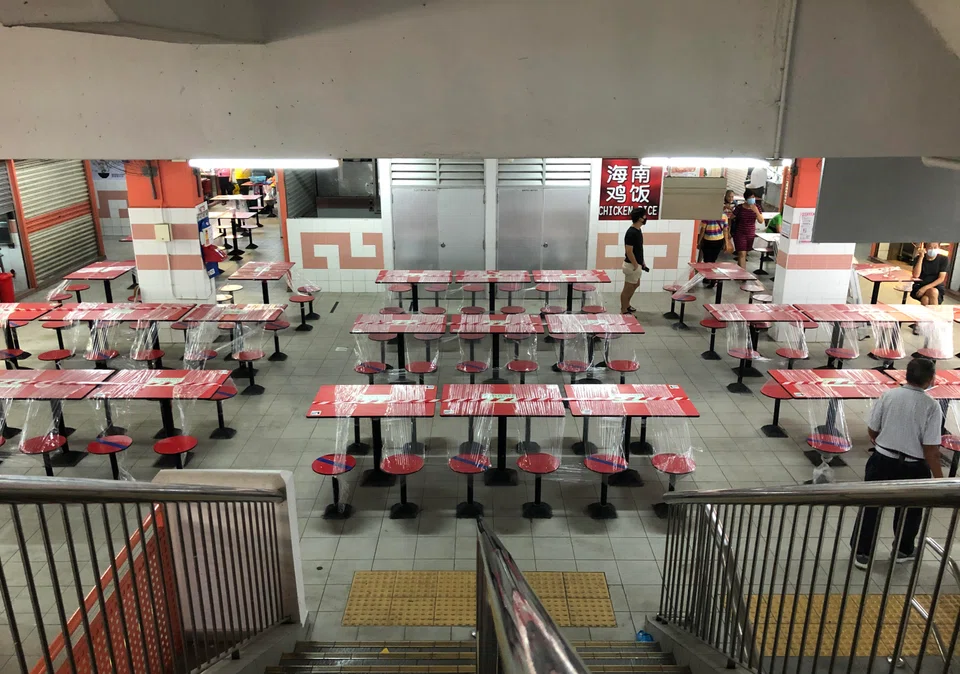
Singapore confirmed its first Covid-19 case on Jan 23, 2020, before raising the Dorscon alert to orange, triggering islandwide panic buying and long supermarket queues.
The pandemic led to circuit breaker restrictions, mandatory mask-wearing, TraceTogether contact tracing, and lockdowns in foreign worker dormitories.Daily life was transformed as schools shifted online, travel came to a standstill and safe distancing became the norm.
Singapore gradually reopened in phases while managing fresh outbreaks, conducting a General Election under Covid-19 measures and launching its vaccination programme in late 2020. On Feb 13, 2023, the Dorscon level was lowered to green as the country eased its remaining Covid-19 measures.
Parliament repeals Section 377A
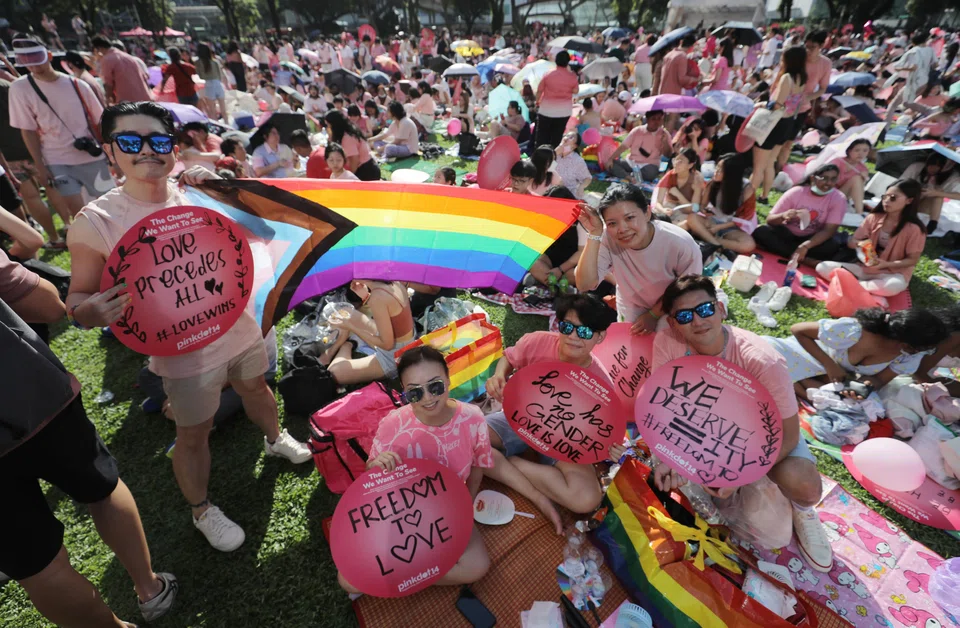
Parliament voted to repeal Section 377A on Nov 29, 2022, decriminalising sex between men while also passing a constitutional amendment protecting the current definition of marriage from legal challenge.
Then Prime Minister Lee Hsien Loong described the move as a “balanced” and “wise” step that sought to avoid further dividing society.
Titan submersible tragedy shocks the world
The world watched anxiously in June 2023 after the Titan submersible, operated by OceanGate, went missing during a deep-sea expedition to view the wreck of the Titanic.
The vessel lost contact with its support ship less than two hours into the dive with five people on board, including OceanGate CEO Stockton Rush.
Following a massive multinational search operation, authorities later confirmed that the submersible had suffered a catastrophic implosion deep in the North Atlantic Ocean, killing everyone on board instantly.
Rise of AI transforms everyday life and ignites concerns
The rise of generative AI tools such as OpenAI’s ChatGPT, image generators and AI-powered assistants made the technology far more accessible from 2022 onwards, with millions using it for everything from writing emails and coding to creating art — and even designing wheelchairs.
As companies raced to integrate AI into business operations, governments and experts also raised concerns over misinformation, job displacement, copyright issues and the potential risks posed by rapidly advancing AI systems.
One major concern is the rise of deepfakes, which have been used in both seemingly harmless and overtly malicious ways.
War in Israel, Gaza and Lebanon draws global attention
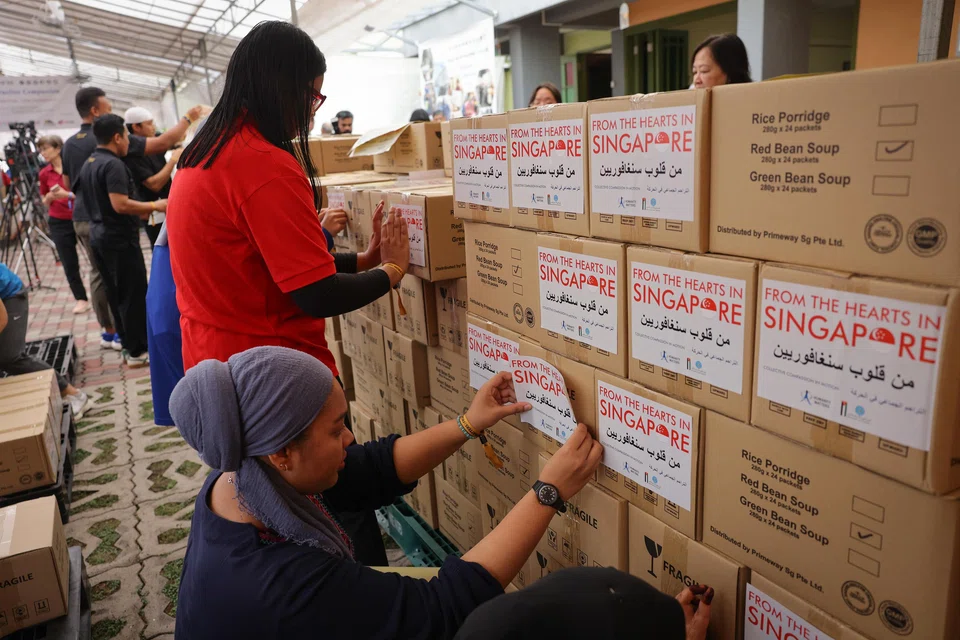
The long-running conflict between Israel and Palestinians escalated dramatically after Hamas launched a deadly attack on Israel on Oct 7, 2023, killing civilians and taking hostages.
Israel responded with a massive military offensive in Gaza, leading to widespread destruction and a humanitarian crisis that drew intense international attention and sparked protests around the world.
The conflict also spilled into neighbouring Lebanon, with cross-border clashes between Israel and Hezbollah raising fears of a wider regional war in the Middle East.
Taylor Swift and Lady Gaga concerts cement Singapore as regional entertainment hub
Singapore has cemented itself as a major concert hub in recent years, hosting international superstars and drawing fans from across the region.
Taylor Swift made Singapore the only Southeast Asian stop of her Eras Tour in 2024, while Lady Gaga also chose the Republic as the sole regional stop for her 2025 Mayhem shows.
BLACKPINK has likewise performed in Singapore during its world tours, underscoring the country’s status as a key destination for major K-pop acts and boosting its regional entertainment and tourism appeal.

Explore more on these topics
See something interesting? Contribute your story to us.
