Boy, 14, youngest detained under ISA after planning mass stabbing at his secondary school

A 14-year-old boy who planned a mass-casualty stabbing attack at his secondary school has become the youngest person detained under the Internal Security Act (ISA).
The Secondary Two student was preparing to attack non-Muslim teachers and schoolmates during the June school holidays and admitted that he would have carried out the plan had he not been arrested, the Internal Security Department (ISD) said on July 27.
He was arrested in May, about a month before the intended attack.
The teenager was among three self-radicalised Singaporean youths issued with Orders of Detention between April and June. Although their cases were unrelated, all three had been radicalised online by violent extremist ideologies and made preparations to carry out attacks locally.
Chose school holidays for attack
The 14-year-old had decided to attack non-Muslim teachers and students at his school in late 2025, driven by grievances over being bullied by schoolmates and experiencing academic pressure from teachers.
He chose the June school holidays because he believed fewer teachers would be present to stop him, and identified specific days when he and his intended targets would be at school for co-curricular activities.
The youth initially wanted to use firearms but changed his plans because of Singapore’s strict gun laws.
He then researched homemade bombs, but abandoned the idea because he lacked the money to buy the materials and did not have a suitable place to build and test them.
Instead, he selected a kitchen knife and penknife from his home as potential weapons.
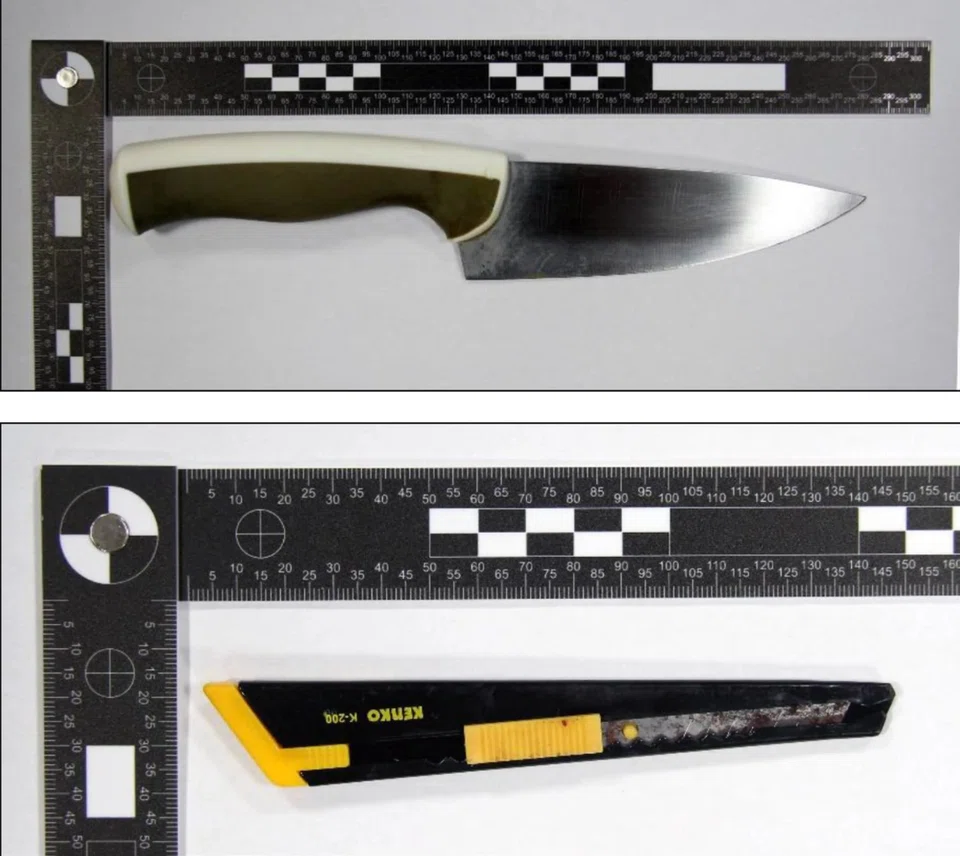
ISD said the boy had gained confidence in his ability to conduct a stabbing attack after repeatedly watching ISIS execution footage and knife-attack tutorials online.
Wrote 21-page manifesto and target list
In January, the boy drafted a 21-page manifesto titled A Call to Action, detailing his attack plan, choice of weapons and a list of targets comprising non-Muslim teachers and students at his school.
The document featured neo-Nazi and far-right symbols and glorified mass shooters whom he idolised.
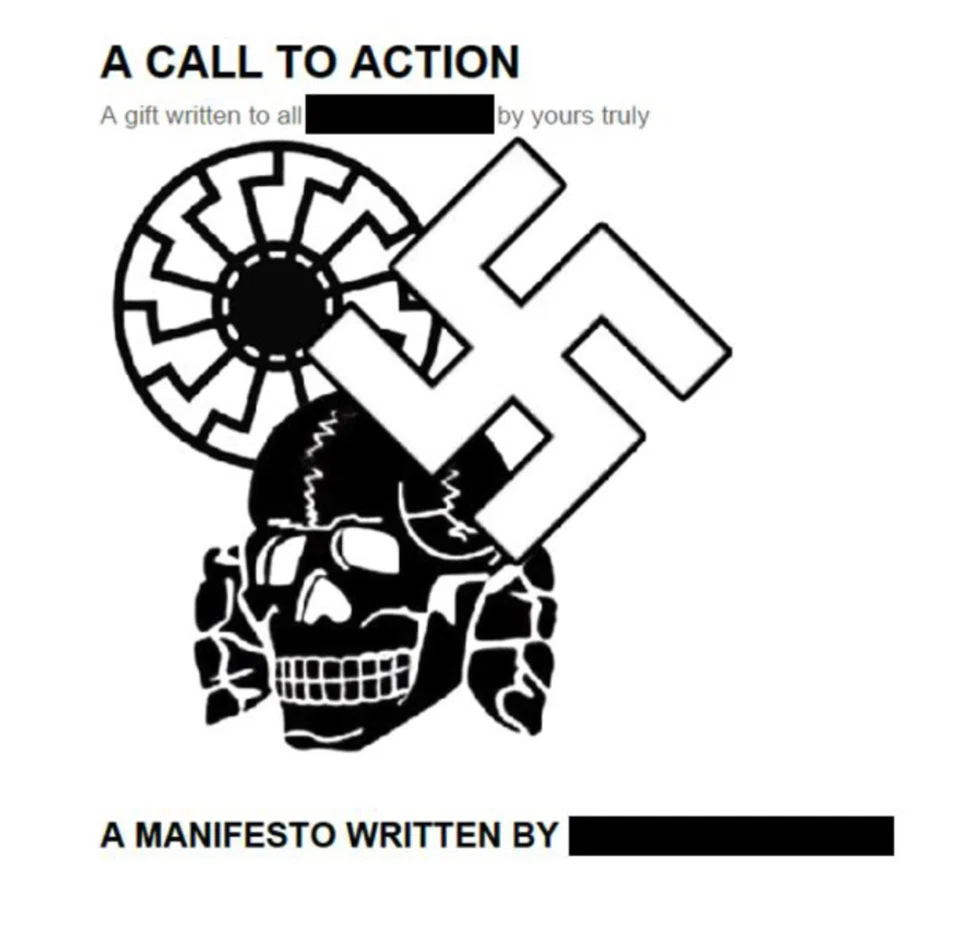
He intended to publish the manifesto on social media one day before the attack to encourage other victims of bullying to respond with violence.
The youth also planned to livestream the attack, pledge allegiance to ISIS during it and then take his own life in the belief that he would die a martyr.
He searched an e-commerce platform for tactical clothing to wear during the attack, intending to imitate the outfit of a school shooter he admired.
ISD said his detailed planning and preparations showed that he was determined to follow through with the attack.
Became fascinated with school shootings at 12
The youth’s radicalisation began in 2024, when he was 12.
He encountered first-person shooter games on Roblox that recreated real-life school shootings and subsequently searched online for more information about the attacks.
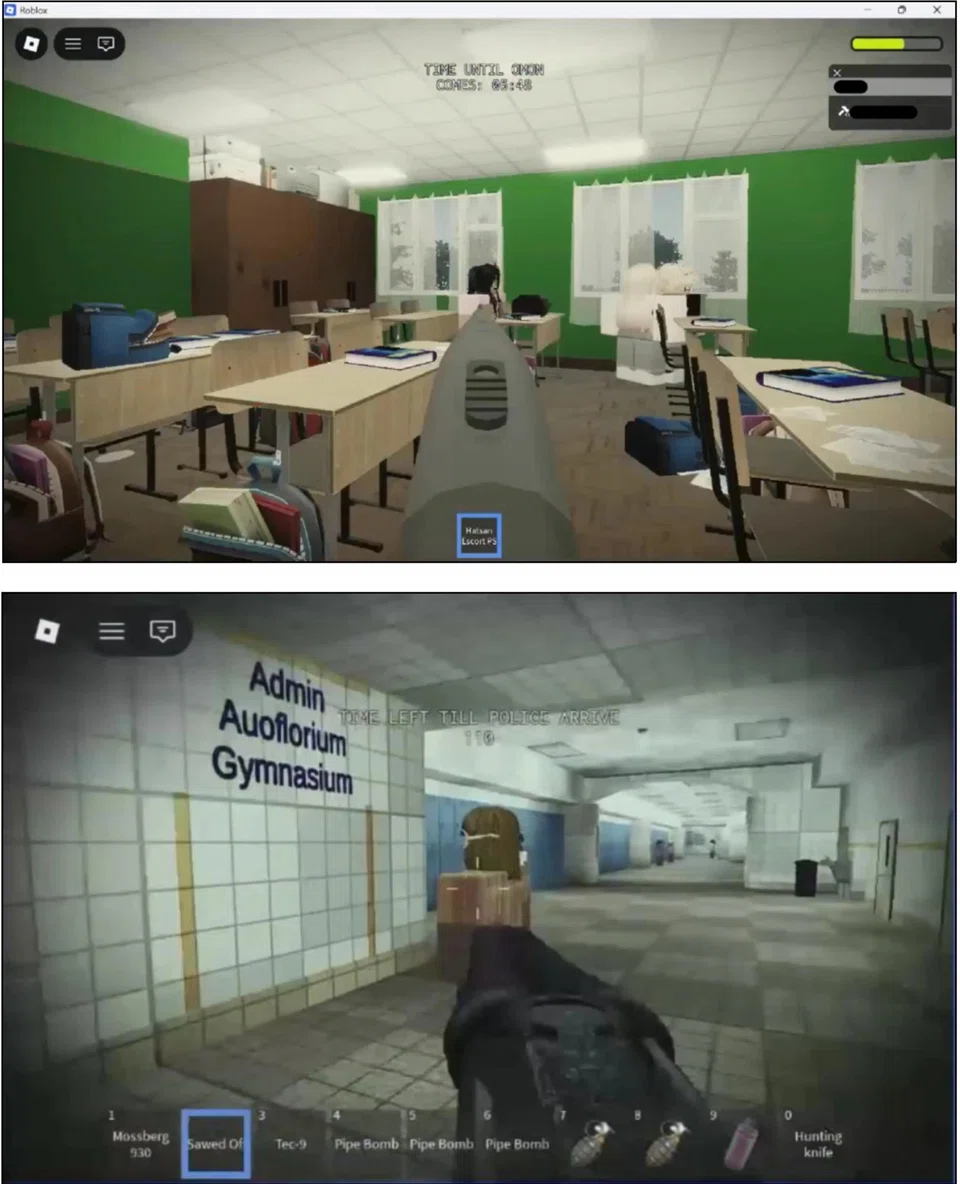
After learning that several mass shooters had been bullied, he began identifying with them and viewed their violence as retaliation against people who had wronged them.
He also consumed violent gore and mass-shooting content recommended to him on social media and shared through online communities that glorified perpetrators of extreme violence.



According to ISD, he had downloaded thousands of violent videos and images and repeatedly watched many of them.
While playing the shooting games and watching violent footage, he imagined his bullies as the victims and himself as the attacker.
The boy later came across content about an ISIS supporter who carried out a mass shooting at a gay nightclub in the United States.
He idolised the attacker, identified with his experience of being bullied and admired the number of people he killed.
Supported ISIS, neo-Nazi and white supremacist beliefs
The youth subsequently consumed more ISIS content, supported the terrorist group’s killing of non-Muslims and was willing to attack them if instructed by ISIS.
He shared ISIS-related videos with friends and schoolmates, although none was radicalised by his attempts.
His exposure to mass-shooting content also led him to adopt anti-Semitic, neo-Nazi and white supremacist beliefs.
Someone at the boy’s school eventually noticed signs of his radicalisation and alerted the authorities.
Two other youths detained
A 15-year-old Secondary Four student was also detained after planning an attack in Singapore in support of ISIS and aspiring to establish an Islamic caliphate in Southeast Asia through violence.
He researched how to make explosives and pressure-cooker bombs, but had yet to select a location, target or timeline when he was arrested.
The third youth, 19-year-old tertiary student Tan Jun Jie, planned knife attacks against Singapore Armed Forces personnel at Sembawang Air Base and LGBTQ students at his school.
Tan also attempted distributed denial-of-service cyberattacks against Muslim organisations whose teachings he considered deviant.
His acquaintances alerted the authorities after he shared extremist views and expressed his intention to commit violence locally and overseas.
Radicalised youths getting younger
Including the three latest cases, 23 youths have been dealt with under the ISA over the past decade or so.
More than half intended to carry out attacks in Singapore, according to ISD.
According to The Straits Times, Home Affairs Minister K. Shanmugam said the boy had come “quite close” to carrying out the attack, adding: “It is worrying, but every case is worrying.”
He added that while authorities block extremist content whenever they find it, “it is not possible to block everything” online.
ISD said the cases showed how repeated exposure to gore, violent games and content glorifying terrorism and mass shootings could normalise violence and make young people more receptive to extremist narratives.
It urged families, friends and schools to watch for warning signs, including fascination with extreme violence and weapons, sharing extremist content, expressing hatred towards particular communities and talking about taking part in violence.
Anyone who knows or suspects that someone has been radicalised can contact ISD at 1800-2626-473.

Explore more on these topics
See something interesting? Contribute your story to us.
