‘Wait until your baby comes out!’ Nursing home resident threatens pregnant nurse

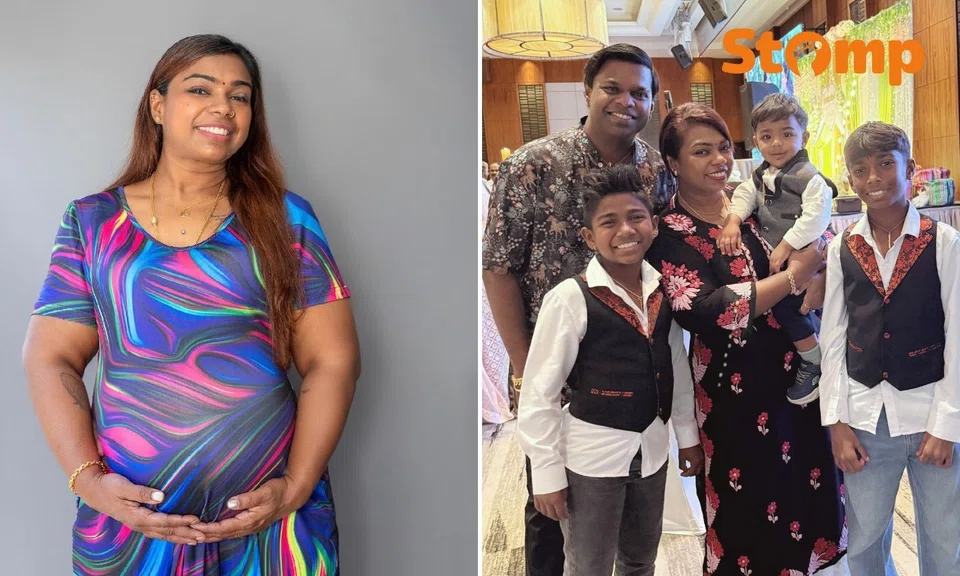
When Subasini Letchumanan was eight months pregnant, an elderly patient from Lee Ah Mooi Old Age Home verbally abused her.
“Don’t forget you are pregnant you know,” the woman shouted, jabbing a finger aggressively towards Subasini’s baby bump. “You got a baby inside your stomach, you wait until the baby come out!”
Shocked, Subasini reminded herself to be professional, took a step back and engaged the help of a medical social worker.
The woman had become agitated because a nurse tried to stop her from spending an hour in the shower, responding by throwing a shampoo bottle at the nurse.
Subasini, who is Head of Nursing at the nursing home, further ignited the elderly woman’s fury when she stepped in to de-escalate the situation.
Eventually, the resident cooperated and the matter was resolved.
The long-lasting effects of healthcare worker abuse
Although this happened in March 2025, Subasini could not shake off the incident. The menacing words continued to replay in her mind right up until she was wheeled into the delivery ward.
Being heavily pregnant with her third child at 40 left her feeling especially vulnerabe. “I was worried,” she confessed.
2 in 3 healthcare workers have witnessed or suffered abuse
This was not an isolated incident.
Working in the healthcare industry for over two decades, the 41-year-old senior nurse told Stomp she had faced her fair share of abuse from patients and their families.
“When I worked in a polyclinic, I had parents who threw the health booklet at us just because we couldn’t give them the appointment they wanted,” Subasini shared.
About two in three healthcare workers surveyed have witnessed or experienced abuse — mostly verbal — according to the Ministry of Health’s Tripartite Workgroup for the Prevention of Abuse and Harassment of Healthcare Workers (TWG).
Before the workgroup was formed in 2022, many cases went unreported due to unclear reporting channels or a belief that such mistreatment was simply “part of the job”.
Now, more than 6,000 healthcare workers have also been trained in advanced de-escalation and self-defence techniques since the sector has adopted the TWG’s Implementation Guide in 2024. The guide sets out a unified definition of abuse and standardised incident-response protocols.

Subasini’s workplace was one of the early adopters of the anti-abuse framework.
After the heated altercation with the elderly resident, her colleagues and supervisor rushed to check on her to make sure she was alright, which she greatly appreciated.

The elderly woman’s family was also called in to discuss her aggressive behaviour. Over the following months, the resident improved in both health and behaviour, and was subsequently discharged.
Subasini only breathed a true sigh of relief after welcoming her son in April that year.
“I felt that God really answered my prayers because I was very scared, so I felt thankful that he came out to be a very healthy and cute baby.”
Father’s illness sparked her passion for nursing
Despite going through traumatic experiences, Subasini’s passion for her job never wavered.
Her calling came while she was sitting for her ‘N’ levels, after her father was admitted to hospital for a fall.
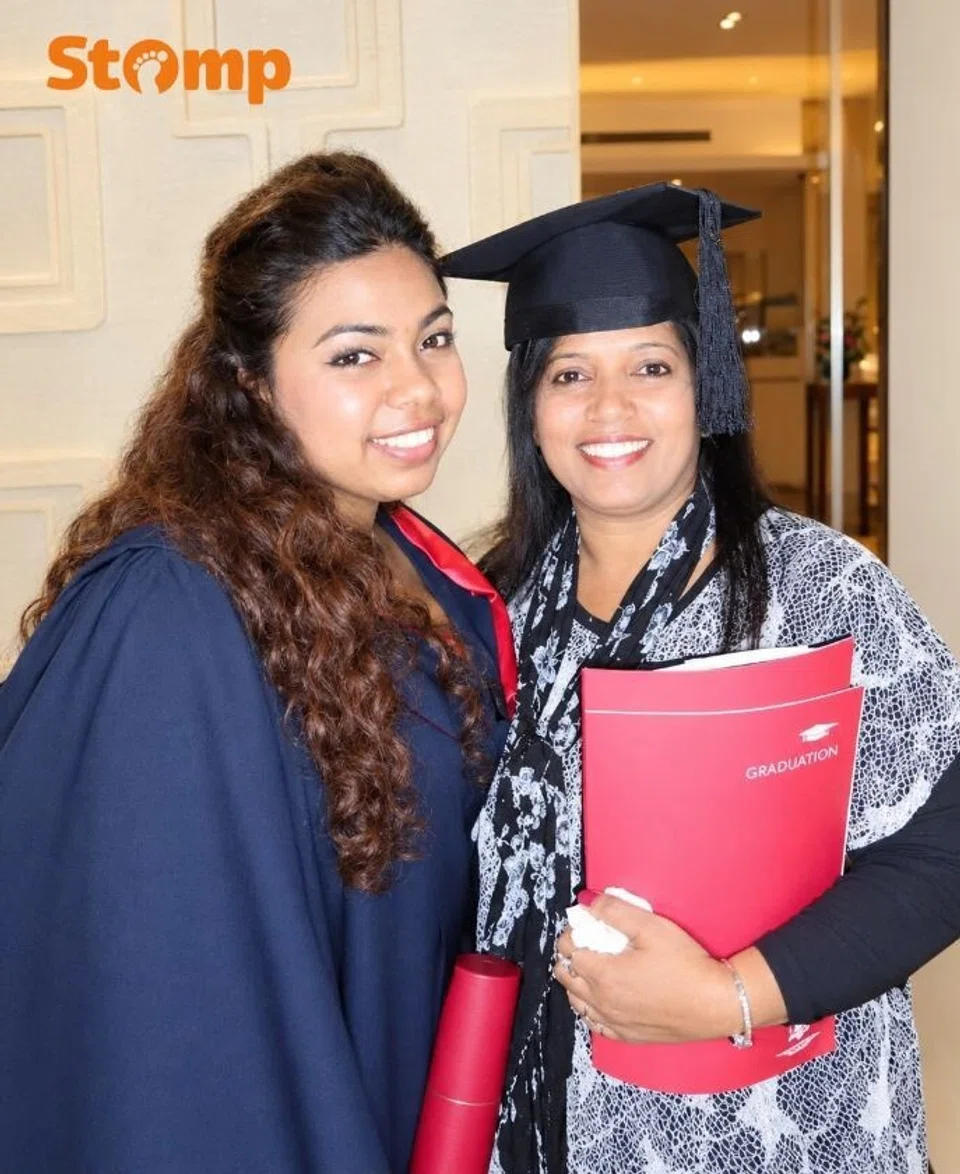
Observing how the nurses cared for him made her realise she could have “done a better job” in helping him if she had basic nursing skills. That was when she decided to apply for the Specialist Diploma in Nursing at Nanyang Polytechnic.
“I didn’t know that I can go this far because I’m actually a very short-tempered person,” she chuckled.
Her father died a year after his initial hospitalisation and did not get the chance to see her chase her dreams.
“He would be proud of me,” she said.
What keeps her going
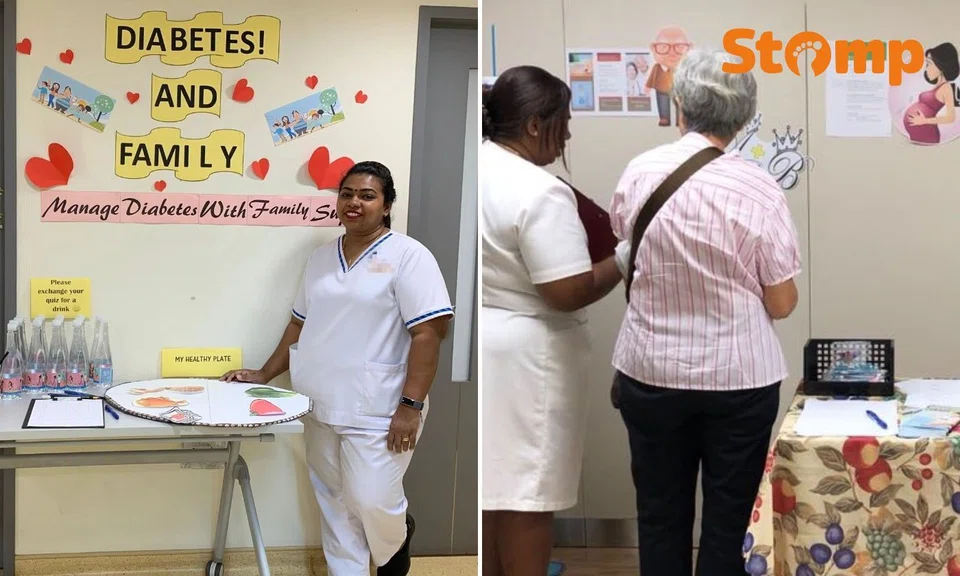
After graduating, Subasini worked as a staff nurse at two hospitals before climbing the ranks to senior staff nurse at SingHealth Polyclinics.
Eventually, she joined Lee Ah Mooi Old Age Home — where she has worked for the past four years — and was promoted to Head of Nursing. She now oversees about 70 nurses across two branches in Thomson and Silat Avenue.
Subasini is grateful for those who show appreciation to the nurses, and hopes people would be more patient and understanding of the challenges healthcare workers face daily.
“No need for gifts, just a simple message to say, ‘Hey thanks for taking care of my mother,’ is touching.”
Healthcare workers need to be empathetic too
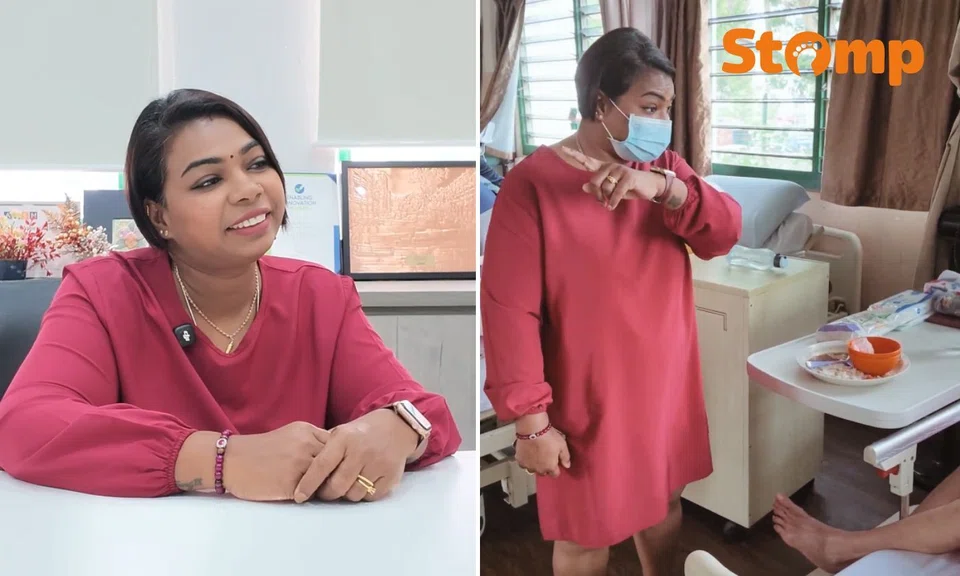
Subasini added that it is important for staff to be empathetic towards their residents, even if they may display difficult behaviour at times.
“We have to see ourselves there one day,” she said.
“It is difficult to handle them, but if we build rapport we become more friendly. A simple, ‘Hi how are you, you had your breakfast, lunch?’ really brightens up their day.

Explore more on these topics
See something interesting? Contribute your story to us.
